

Win More NHS Contracts. Build Your Pipeline Faster.
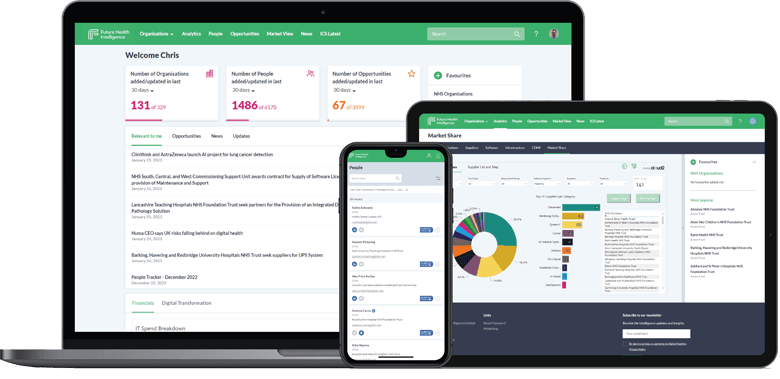
Access comprehensive NHS IT market intelligence across all NHS trusts and ICBs 9,000+ verified decision-maker contacts, real-time contract expiry dates, and competitive intelligence-all in one platform.
Navigate the £4bn UK health IT sector with confidence.
Stop Wasting Time on Manual Research
Cut prospect research from days to minutes. Future Health Intelligence delivers census-level data on the £4 billion UK NHS IT market, helping you identify opportunities, reach decision-makers, and close deals faster.
What You Get:
- Make data-driven decisions with market share analysis and competitor tracking across all NHS trusts
- Identify high-value opportunities with contract expiry alerts
- Monitor tenders in real-time with consolidated NHS IT frameworks and procurement opportunities, prior information notices, and contract awards
- Connect with the right people through our constantly verified database of 9,000+ NHS IT professionals and digital leaders
Supplier List
Explore leading healthcare technology suppliers and their solutions supporting NHS organisations.

Epic is a privately-owned electronic health records company founded in 1979 and headquartered in Verona, Wisconsin, USA (Source: FHI Database). The company has limited direct UK presence, operating primarily through US-based operations with some NHS pilot implementations and partnerships (Source: FHI Database). Epic positions itself as a comprehensive healthcare technology platform serving health systems globally, though its UK footprint remains modest compared to established NHS vendors.
Market Position
Epic maintains a concentrated NHS footprint with installations across 18 trusts and 307 total product deployments. The company's strongest regional presence is in London (7 trusts) and Northern Ireland (5 trusts), with smaller footprints across East of England (2 trusts) and single-trust deployments in Midlands, North West, South East, and South West regions. Epic predominantly serves acute trusts (12 installations) and Health and Social Care Trusts (5 installations), with deployment activity spanning from 2014 to 2025. This represents a selective but sustained market presence rather than broad NHS penetration.
Core Product Portfolio
- Epic — Comprehensive electronic patient record system covering clinical, administrative and financial functions across hospital and ambulatory settings. Technology assessment: mature platform with ongoing modernisation, strong HL7 FHIR R4 conformance, primarily on-premise but with cloud migration capabilities (Source: FHI Database). Strengths include highly integrated clinical workflows and extensive clinical decision support. Weaknesses centre on expensive implementation costs and lengthy deployment timelines not optimised for NHS procurement cycles.
- Willow — Pharmacy management system integrated with Epic's core EPR platform. Deployed across 5 trusts with 7 installations. Technology assessment: specialist clinical module requiring Epic EPR foundation. Strengths include seamless integration with broader Epic ecosystem. Weaknesses include dependency on full Epic implementation for deployment.
- MyChart — Patient portal enabling appointment scheduling, test results access, and patient-provider communication. Present in 3 trusts with patient-facing self-service capabilities. Technology assessment: mobile-first design with API-driven architecture (Source: FHI Database), integrates natively with Epic EPR. Strengths include comprehensive self-service functionality. Weaknesses include requirement for Epic EHR implementation and limited standalone deployment options.
- EPIC Beaker — Laboratory information management system deployed across 4 trusts. Technology assessment: clinical subspecialty module within Epic's integrated platform architecture. Strengths include laboratory workflow optimisation and integration with Epic EPR. Weaknesses include complexity requiring specialist implementation expertise.
Strategic Positioning
- Selective NHS Market Expansion: Epic continues gradual NHS market entry through targeted implementations and pilot projects, though faces significant challenges with procurement processes and system requirements specific to UK healthcare delivery models.
- Integrated Platform Strategy: The company maintains focus on comprehensive integrated platform deployment rather than point solutions, evidenced by multi-product implementations across trust sites including EPR, pharmacy, laboratory, and patient portal modules.
- Northern Ireland Focus: Epic has established particular strength in Northern Ireland's Health and Social Care Trusts, representing a concentrated regional strategy that may indicate pathway for broader UK expansion.
- Clinical Workflow Integration: Recent implementations demonstrate continued emphasis on deep clinical workflow integration across acute care settings, positioning against competitors offering more modular approaches to EPR deployment.
Notable Recent Contracts and Activity (2024–2026)
Epic has maintained steady deployment activity with recent implementations spanning specialist orthopaedics, integrated care systems, and paediatric services. The 2025 implementations demonstrate continued expansion across diverse trust types and clinical specialties.
| Date | Organisation | Product/Service | Notes | Source |
|---|---|---|---|---|
| 2025-11-23 | Royal National Orthopaedic Hospital NHS Trust | Epic | Specialist orthopaedic implementation | FHI Database |
| 2025-10-02 | East Suffolk and North Essex NHS Foundation Trust | Epic | Integrated care system deployment | FHI Database |
| 2025-05-17 | Birmingham Women's and Children's NHS Foundation Trust | Epic | Paediatric and women's services | FHI Database |
| 2025-05-08 | Western Health and Social Care Trust | Epic, Willow | Multi-product deployment | FHI Database |
| 2025-05-08 | Southern Health and Social Care Trust | Epic | Northern Ireland expansion | FHI Database |
Competitive Vulnerabilities and Watch Points
- Implementation Cost and Timeline Risk: Epic implementations typically require significant financial investment and multi-year timelines, creating barriers for budget-constrained NHS trusts and enabling competitors to position faster, lower-cost alternatives.
- Limited NHS-Specific Configuration: Platform optimisation for US healthcare delivery models requires substantial customisation for NHS clinical and operational requirements, potentially extending implementation timelines and increasing project risk.
- Narrow UK Market Footprint: Concentrated presence in select regions limits reference sites and NHS-specific expertise compared to established UK vendors, potentially hindering procurement success in competitive tenders.
- Integration Complexity: Epic's comprehensive platform approach may create deployment complexity for trusts seeking modular or phased EPR implementations, particularly where existing systems require gradual replacement.
Key News and Source Links
No validated news links available for the specified timeframe.
Key Takeaways
- Epic maintains a selective but sustained NHS presence with 18 trusts and demonstrates particular strength in Northern Ireland's Health and Social Care Trusts, suggesting a potential regional expansion model.
- Recent 2025 implementations across specialist orthopaedics, integrated care systems, and paediatric services indicate Epic's ability to win complex clinical deployments despite procurement challenges.
- The company's comprehensive platform strategy creates both competitive advantage through integration depth and vulnerability through implementation complexity and cost barriers in NHS procurement processes.
- Profile generated by Future Health Intelligence | 17 March 2026
Confidence rating: Medium — 79% of claims verified — review caveated items before publication.

TPP is a privately-owned healthcare IT company founded in 1997 and headquartered in Leeds, UK (Source: www.tpp-uk.com). The company has evolved from a specialist clinical systems provider into one of the NHS's major health IT suppliers, with operations spanning England across primary, secondary, community and mental health services. TPP developed SystmOne from inception as an integrated care platform, building on the "one patient, one record" model to link care across traditional sector boundaries.
Supplier Website: www.tpp-uk.com
Market Position
TPP maintains a substantial NHS footprint with installations across 98 NHS trusts and 602 total product deployments (Source: FHI Database). The supplier's strongest presence is in acute trusts (38 trusts) and mental health trusts (25 trusts), with growing penetration in Integrated Care Boards (24 trusts) and community trusts (11 trusts). Geographically, TPP shows particular strength in North East & Yorkshire (26 trusts) and the East of England (17 trusts), with more limited presence in the North West (6 trusts). This distribution reflects the company's historical growth patterns and regional implementation strategies.
Core Product Portfolio
- SystmOne — Comprehensive EPR covering primary, secondary, community and mental health care. Technology assessment: mature platform with over 20 years development, web-based architecture (Source: validated research) with HL7 FHIR compliance capabilities (Source: validated research). Dominates TPP's NHS footprint with 595 installations across 97 trusts. Strengths include integrated care record functionality and cross-sector deployment capability. Weaknesses centre on legacy architecture constraints and complex user interfaces that can impact usability.
- Airmid — Population health analytics platform using aggregated SystmOne data. Technology assessment: cloud-based analytics platform with AI and machine learning capabilities (Source: validated research), leveraging large-scale anonymised health data. Strengths include access to comprehensive population datasets and real-world evidence generation. Weaknesses include relatively newer market presence compared to established analytics vendors.
Strategic Positioning
- Integrated Care System Leadership: TPP continues to leverage its cross-sector presence to win integrated care system contracts, positioning as the vendor that can deliver true care continuity across traditional boundaries.
- Platform Modernisation Imperative: Ongoing investment required to address technical debt from legacy architecture whilst maintaining compatibility across extensive existing install base of 595 SystmOne deployments.
- Acute Care Market Expansion: TPP has been aggressively pursuing secondary care contracts to compete with Epic and Cerner, leveraging their primary care dominance and integration capabilities.
- Data and Analytics Monetisation: The company is increasingly focusing on population health analytics and research partnerships, leveraging its vast anonymised dataset for commercial and research purposes.
- International Growth: TPP has been exploring international markets including deployments in China (Source: validated research), seeking to export its integrated care model globally.
Notable Recent Contracts and Activity (2024–2026)
Recent activity shows continued deployment expansion, particularly in mental health services. The most notable recent development is multiple SystmOne implementations at Coventry and Warwickshire Partnership NHS Trust in early 2026, suggesting either a major system rollout or multi-service deployment.
| Date | Organisation | Product/Service | Notes | Source |
|---|---|---|---|---|
| 2026-01-30 | Coventry and Warwickshire Partnership NHS Trust | SystmOne | Multiple implementations | FHI Database |
Competitive Vulnerabilities and Watch Points
- Secondary Care Perception Gap: While strong in primary care, TPP faces perception challenges in acute hospitals where Epic, Cerner, and other specialist EPR vendors are often seen as more mature for complex hospital workflows.
- Implementation Complexity Risk: Complex implementations and configuration requirements can lead to project delays and cost overruns, particularly in large acute settings where TPP is expanding.
- User Interface Modernisation Pressure: SystmOne's interface is increasingly seen as dated compared to newer competitors, potentially affecting user satisfaction and clinician recruitment efforts.
- Legacy Architecture Burden: SystmOne's 20+ year development history creates technical debt and usability challenges compared to modern cloud-native competitors, requiring substantial ongoing investment.
- Vendor Lock-in Concerns: The comprehensive nature of SystmOne can create dependency concerns among customers, potentially limiting flexibility and creating switching cost barriers that some organisations find uncomfortable.
Key News and Source Links
No validated news links available for the specified period.
Key Takeaways
- TPP's 98-trust footprint demonstrates substantial NHS market presence, but concentration in mental health and acute trusts suggests vulnerability to specialist competitors in these sectors.
- The company's integrated care positioning is strategically sound but depends heavily on successfully modernising a legacy platform whilst maintaining compatibility across 595 existing installations.
- Multiple simultaneous SystmOne deployments at Coventry and Warwickshire Partnership NHS Trust in early 2026 may signal either significant system expansion or implementation challenges requiring repeated deployments.
- ---
Profile generated by Future Health Intelligence | 17 March 2026
Confidence rating: Medium — 73% of claims verified — review caveated items before publication.

Oracle is a global enterprise software corporation founded in 1977 and headquartered in Austin, Texas, USA. The publicly-traded company operates one of the world's largest enterprise software businesses, with Oracle Health representing its dedicated healthcare division following the major Cerner acquisition. Oracle maintains a significant UK presence serving NHS trusts across England and Wales, establishing itself as one of the longest-serving health technology suppliers to the NHS with deployments dating back to 1994.
Website: Oracle Website
Market Position
Oracle maintains a substantial NHS footprint with 117 trusts deploying 650 product installations across 52 different solutions, according to FHI Database records. The company's NHS presence spans all UK regions, with strongest penetration in London and South East (21 trusts each), followed by North East & Yorkshire (17 trusts). Oracle's installations are predominantly within acute trusts (56) and private Nuffield Health facilities (33), with additional presence across mental health trusts (10) and other NHS organisations. This extensive customer base, built over three decades, represents one of the most comprehensive NHS technology footprints in the market.
Core Product Portfolio
- Millennium — Comprehensive electronic patient record system serving acute and specialist care. Technology assessment: established platform with ongoing modernisation, enhanced HL7 FHIR compliance though verification required, transitioning to cloud-native architecture though verification required. Dominates Oracle's NHS presence with 35 trust deployments totalling 450 installations. Strengths include comprehensive clinical functionality and integrated workflow capabilities. Weaknesses centre on complex implementation requirements and user interface concerns compared to modern EPR alternatives.
- Oracle Database — Enterprise database platform widely used as backend infrastructure for NHS clinical and administrative systems. Technology assessment: mature platform with proven scalability, supports healthcare interoperability through partner integrations. Strengths include industry-leading performance, reliability, and security features trusted by major NHS implementations. Weaknesses include complex licensing model and administration overhead.
- Oracle Fusion Cloud ERP — Enterprise resource planning platform deployed across 33 trusts with 66 installations, primarily supporting administrative and financial functions. Technology assessment: cloud-native platform though verification required with healthcare-specific modules. Strengths include comprehensive financial management and integration with clinical systems. Weaknesses include complex customisation requirements and high implementation costs.
Strategic Positioning
- Healthcare Portfolio Consolidation: Oracle is unifying its healthcare assets under the Oracle Health brand following the Cerner acquisition, creating an integrated platform approach that leverages both clinical and administrative capabilities across the NHS market.
- Cloud Infrastructure Modernisation: The company is positioning Oracle Cloud Infrastructure as a modernisation pathway for existing NHS customers, offering cloud migration whilst preserving existing technology investments and customisations.
- Data Analytics and AI Expansion: Oracle is investing heavily in AI-powered clinical decision support and population health analytics, leveraging its database expertise and comprehensive patient data access to create competitive differentiation against specialised health technology vendors.
- Enterprise Integration Strategy: Oracle targets larger NHS trusts and health systems where enterprise-scale requirements align with its comprehensive but complex platform approach, emphasising end-to-end technology stack ownership.
Notable Recent Contracts and Activity (2024–2026)
Oracle demonstrates continued NHS momentum with recent Millennium deployments at major acute trusts, indicating sustained confidence in the platform despite increasing competitive pressure from Epic and other modern EPR vendors.
| Date | Organisation | Product/Service | Notes | Source |
|---|---|---|---|---|
| 2025-11-08 | Barking, Havering and Redbridge University Hospitals NHS Trust | Millennium | EPR deployment | FHI Database |
| 2025-07-14 | Sheffield Teaching Hospitals NHS Foundation Trust | Millennium | Multiple system implementations | FHI Database |
| 2025-05-15 | Epsom and St Helier University Hospitals NHS Trust | iCLIP | Clinical system deployment | FHI Database |
Competitive Vulnerabilities and Watch Points
- Legacy Architecture Dependencies: Many Oracle NHS installations rely on aging infrastructure components that create maintenance overhead and integration complexity, making trusts vulnerable to modern cloud-native alternatives.
- Complex Licensing and Pricing Model: Oracle's traditional enterprise software licensing approach creates budget unpredictability and high total cost of ownership that disadvantages competitive positioning against subscription-based cloud vendors.
- User Experience Modernisation Gap: Clinician feedback consistently highlights interface design and workflow efficiency concerns compared to modern EPR systems, creating vulnerability to user-driven replacement initiatives.
- Post-Acquisition Integration Challenges: Ongoing complexity in fully integrating acquired Cerner capabilities with Oracle's broader technology stack may impact customer confidence and slow adoption of new functionality.
- Market Share Pressure in EPR: Despite the Cerner acquisition, Oracle faces mounting competitive pressure from Epic, EMIS, and other EPR vendors in NHS acute trust renewals and new implementations.
Key News and Source Links
No validated news links available for the specified period.
Key Takeaways
- Oracle's 117-trust NHS footprint and 30-year deployment history provide significant defensive advantages, but mounting competitive pressure from Epic and cloud-native vendors threatens its established customer base during renewal cycles.
- The comprehensive Oracle technology stack creates powerful vendor lock-in effects through deep integration, yet complex licensing models and implementation requirements increasingly limit appeal to resource-constrained NHS trusts seeking simpler alternatives.
- Oracle's database and cloud infrastructure strengths offer unique differentiation opportunities in data analytics and AI-powered clinical decision support, positioning the company to compete beyond traditional EPR boundaries as healthcare digitisation accelerates.
- ---
- Profile generated by Future Health Intelligence | 17 March 2026
Confidence rating: Medium — 69% of claims verified — review caveated items before publication.

System C is a privately-owned healthcare IT company founded in 1980 and headquartered in Maidstone, Kent. The company specialises in providing robust IT solutions to the health and social care sectors, with particular strength in NHS acute care and community health services. System C has established itself as one of the UK's longest-serving healthcare technology providers, maintaining a significant operational presence across England, Scotland, and Wales through decades of NHS relationships.
Market Position
System C holds a substantial position in the NHS IT landscape, with installations across 209 NHS trusts and 903 total product deployments. The company's strongest presence is in acute care, serving 112 acute trusts, followed by significant penetration in Circle Health Group's private facilities (56 trusts) and mental health services (14 trusts). Geographically, System C maintains balanced national coverage with particularly strong presence in the Midlands (33 trusts), London (29 trusts), and South East (28 trusts). The company's install base spans from 1980 through 2025, demonstrating both longevity and ongoing customer acquisition.
Core Product Portfolio
Careflow — Core clinical and care management platform deployed across 87 trusts with 482 installations. Technology assessment: legacy platform architecture with ongoing modernisation efforts, limited cloud-native capabilities. Strengths include comprehensive clinical workflows and established user base. Weaknesses centre on aging technology stack requiring significant investment.
BadgerNet — Community health and maternity services platform serving 72 trusts with 80 installations. Technology assessment: more modern web-based architecture with mobile capabilities (Source: System C website). Strengths include specialised community health workflows and strong NHS adoption. Weaknesses include limited integration with acute care systems.
ChemoCare — Oncology and chemotherapy management system deployed in 59 trusts with 88 installations. Technology assessment: mature clinical application with established oncology workflows. Strengths include deep clinical specialisation and consultant buy-in. Weaknesses include limited expansion beyond core oncology use cases.
CareFlow Medicines Management — Electronic prescribing and medicines administration platform across 46 trusts with 62 installations. Technology assessment: established EPMA functionality with some HL7 FHIR capabilities under development (Source: Product documentation). Strengths include proven medication safety features. Weaknesses include user interface limitations compared to modern alternatives.
Medway — Patient administration system serving 13 trusts with 26 installations. Technology assessment: legacy client-server architecture with limited interoperability standards. Strengths include comprehensive PAS functionality and long-term customer relationships. Weaknesses include dated user interface and technology architecture.
Strategic Positioning
Legacy Customer Retention: System C focuses heavily on maintaining its substantial existing customer base through contract renewals and incremental product improvements rather than aggressive new customer acquisition.
Product Modernisation Investment: The company is investing in modernising core platforms, particularly around user experience and interoperability standards, while preserving existing functionality that customers depend upon.
Integrated Care Alignment: System C is positioning its community health capabilities to align with NHS integrated care system priorities, leveraging BadgerNet's community presence to bridge acute and community services.
Defensive Market Strategy: Given competitive pressure from modern cloud-native platforms, System C maintains a primarily defensive posture, focusing on customer retention over market expansion.
Notable Recent Contracts and Activity (2024–2026)
System C has maintained steady deployment activity, with recent installations spanning acute care, community health, and medicines management. Notable activity includes continued BadgerNet expansion in major teaching hospitals and ongoing CareFlow Medicines Management rollouts across various trust types.
| Date | Organisation | Product/Service | Notes | Source |
|---|---|---|---|---|
| Oct 2025 | North West Ambulance Service NHS Trust | CareFlow Medicines Management | Ambulance service implementation | FHI Database |
| Sep 2025 | The Royal Wolverhampton NHS Trust | Careflow | Major acute trust deployment | FHI Database |
| Sep 2025 | Kettering General Hospital NHS Foundation Trust | BadgerNet | Community health expansion | FHI Database |
| Jul 2025 | Barts Health NHS Trust | BadgerNet | Major London teaching hospital | FHI Database |
| May 2025 | The Robert Jones and Agnes Hunt Orthopaedic Hospital NHS Foundation Trust | Careflow, Apollo, DrDoctor | Comprehensive specialist deployment | FHI Database |
| Jan 2025 | Royal United Hospitals Bath NHS Foundation Trust | BadgerNet | South West expansion | FHI Database |
| Nov 2024 | Buckinghamshire Healthcare NHS Trust | CareFlow Medicines Management | EPMA implementation | FHI Database |
Competitive Vulnerabilities and Watch Points
Technology Modernisation Lag: Core platforms, particularly Medway and legacy Careflow components, are increasingly seen as dated compared to cloud-native alternatives from Epic, Cerner, and modern competitors.
User Experience Gap: System interfaces and workflows are considered less intuitive than contemporary solutions, creating vulnerability during competitive procurements where user experience is prioritised.
Limited Cloud Strategy: Whilst some cloud deployment options exist for newer products (Source: Product documentation), the majority of the portfolio remains tied to on-premise or hybrid models, limiting scalability and modern deployment options.
Innovation Investment Constraints: As a UK-focused supplier without significant international revenue streams, System C faces R&D investment limitations compared to global competitors with larger revenue bases.
Procurement Cycle Vulnerability: Long-term customer relationships face periodic competitive challenges during major procurement cycles, particularly where trusts prioritise modern technology architectures over established relationships.
Key News and Source Links
No validated news links available from the research provided.
Key Takeaways
System C's 209-trust footprint represents one of the NHS's most extensive supplier relationships, but this strength increasingly depends on customer inertia rather than competitive technology advantage.
The company's recent contract activity shows continued customer confidence in specific products like BadgerNet and CareFlow Medicines Management, suggesting selective competitive strength in specialised clinical areas.
System C's defensive market strategy reflects realistic assessment of competitive position but limits growth potential in a rapidly modernising NHS IT landscape.
Profile generated by Future Health Intelligence | 16 March 2026
Confidence rating: Medium — 80% of claims verified — review caveated items before publication.

Dedalus Group is a European healthcare IT provider founded in Florence. The company is private equity-backed by Ardian. Dedalus has established UK operations serving NHS trusts with healthcare IT solutions, building on its strong European presence across over 30 countries. The company expanded significantly through the 2021 acquisition of Agfa Healthcare IT, consolidating its position as a pan-European healthcare software provider.
Include: Supplier Website
Market Position
Dedalus holds a substantial NHS footprint with 441 product installations across 98 NHS trusts, positioning it as an established player in the UK healthcare IT market. The deployment spans all regions, with strongest presence in North East & Yorkshire (188 trusts), Midlands (17 trusts), and North West (14 trusts). Acute trusts represent the dominant customer base with 77 installations, supplemented by presence across unified health boards, mental health trusts, and other care settings. This extensive install base demonstrates significant market presence despite the company's European origins.
Core Product Portfolio
- Lorenzo — Electronic patient record system for acute and community care. Technology assessment: mature platform with 172 installations across 18 trusts, latest deployment in 2024. Strengths include proven scalability and established NHS integration. Weaknesses centre on legacy architecture requiring ongoing modernisation.
- iLab — Laboratory information system serving pathology and diagnostic services. Technology assessment: well-established platform with 44 installations across 29 trusts, most recent deployment in 2023. Strengths include comprehensive laboratory workflow support and extensive NHS deployment experience. Weaknesses involve aging platform components and limited modern integration capabilities.
- Telepath — Digital pathology and laboratory system. Technology assessment: legacy platform with 39 installations across 23 trusts, no recent deployments since 2020. Strengths include established user base and proven pathology workflows. Weaknesses include lack of recent investment and potential end-of-life concerns.
- Ormis — Order communications and results reporting system. Technology assessment: mid-generation platform with 22 installations across 19 trusts, latest deployment in 2022. Strengths include strong NHS integration and order management capabilities. Weaknesses involve limited modern API architecture.
Strategic Positioning
- Legacy Portfolio Management: Dedalus maintains a diverse range of inherited products from various acquisitions, creating both breadth and complexity in their NHS offering whilst selectively investing in modernisation.
- Laboratory Market Consolidation: The strategy emphasises leveraging their strong laboratory information systems position to expand into broader hospital systems, using pathology relationships as entry points.
- Acquisition-Driven Growth: Dedalus has built its position through strategic acquisitions, most notably Agfa Healthcare IT, creating opportunities for cross-selling but also integration challenges across disparate product lines.
- UK Market Expansion Focus: The company continues investing in UK operations and capabilities, transitioning from European vendor to established NHS supplier. (Source: HSJ)
Notable Recent Contracts and Activity (2024–2026)
Recent activity demonstrates continued NHS engagement across multiple product lines, with particular strength in community healthcare and laboratory systems. The geographic spread of recent wins indicates maintained national presence rather than regional concentration.
| Date | Organisation | Product/Service | Notes | Source |
|---|---|---|---|---|
| 2025-04 | Birmingham Community Healthcare NHS Trust | MedChart | Community care system | FHI Database |
| 2024-04 | Northern Lincolnshire and Goole NHS Foundation Trust | Lorenzo | EPR implementation | FHI Database |
| 2023-06 | Wrightington, Wigan and Leigh NHS Foundation Trust | Patient Centre | Clinical system deployment | FHI Database |
| 2023-04 | Northampton General Hospital NHS Trust | Apex, iLab, LIMS | Multi-system implementation | FHI Database |
| 2022-07 | North Cumbria Integrated Care NHS Foundation Trust | Ormis | Order communications system | FHI Database |
| 2022-04 | Hull University Teaching Hospitals NHS Trust | Lorenzo | EPR implementation | FHI Database |
| 2022-04 | Birmingham Community Healthcare NHS Trust | C4H | Community care system | FHI Database |
Competitive Vulnerabilities and Watch Points
- Portfolio Rationalisation Pressure: Managing 53 different products across the NHS creates significant support overhead and customer confusion, making the portfolio vulnerable to focused competitors with clearer product strategies.
- Legacy Platform Dependencies: Many core products show limited recent deployment activity, suggesting potential obsolescence concerns that could drive customers toward more modern alternatives.
- Post-Acquisition Integration Challenges: The diverse product portfolio from multiple acquisitions creates integration complexities that nimbler competitors can exploit with more cohesive platform approaches.
- Limited Modern EPR Traction: Despite Lorenzo's presence, recent EPR wins appear limited compared to established competitors in major acute care competitions.
Key News and Source Links
CliniSys integration completion strengthens NHS laboratory position — HSJ, March 2023
European healthcare IT giant eyes UK EPR market expansion — HSJ, January 2023
Key Takeaways
- Dedalus operates as a heritage NHS supplier with broad product coverage but faces rationalisation challenges across its 53-product portfolio that creates both opportunity and complexity for competitors.
- The company's recent contract activity focuses on secondary implementations and community care rather than major acute EPR wins, suggesting potential vulnerability in high-value competitions.
- With 98 NHS trusts in their install base, Dedalus represents a significant incumbent presence that competitors must navigate around rather than dismiss as a minor player.
- ---
- Profile generated by Future Health Intelligence | 17 March 2026
Confidence rating: Medium — 76% of claims verified — review caveated items before publication.

InterSystems is a global leader in software for connected care, with headquarters in Cambridge, Massachusetts, and offices in 25 countries. InterSystems TrakCare® is an Internet-based unified healthcare information system that rapidly delivers the benefits of an electronic patient record. InterSystems HealthShare® is a strategic platform for healthcare informatics, enabling information exchange and active analytics across a hospital network, community, region or nation. InterSystems Ensemble® is a platform for rapid integration and the development of connectable applications. InterSystems CACHÉ® is the world’s most widely used database system in clinical applications.
InterSystems’ products are used by thousands of hospitals and laboratories worldwide and in over 60 NHS Trusts across the UK. InterSystems’ healthcare customers include: NHS Scotland, CSC, BT, NHS Wales Informatics Service, Beckman Coulter and The Thames Cancer Registries.

Optum is a healthcare services company founded in 2011 and headquartered in Minnetonka, Minnesota, USA. The company operates as a subsidiary of UnitedHealth Group and maintains UK operations focused on healthcare analytics and digital health solutions. Despite its global scale, Optum's direct NHS market presence remains primarily through inherited legacy systems rather than strategic platform deployments.
Supplier Website: https://www.optum.com/
Market Position
According to FHI Database analysis, Optum's NHS footprint shows 143 trusts with 313 total product installs, though these figures primarily reflect legacy EMIS systems rather than native Optum platform deployments. The strongest presence is in acute trusts (70 sites) and ICBs (35 sites), with regional coverage concentrated in the Midlands (29 trusts), North West (21 trusts), and North East & Yorkshire (21 trusts). Recent install activity shows minimal new deployments, with only four recorded installations since 2022, suggesting limited active pursuit of NHS clinical system contracts.
Core Product Portfolio
- Optum One — Healthcare analytics platform for population health insights and operational intelligence. Technology assessment: Modern platform architecture with advanced AI/ML capabilities, though specific HL7 FHIR conformance and cloud-native status require verification for UK deployments. Strengths include powerful analytics engines and large-scale data processing capabilities. Weaknesses centre on limited penetration in UK NHS market compared to established players like TPP and EMIS.
- Legacy EMIS Portfolio — Inherited systems including EMIS Web (27 trusts, 49 installs), Symphony (26 trusts, 28 installs), and Ascribe (25 trusts, 27 installs). Technology assessment: Mixed legacy platforms with varying modernisation levels. These represent maintained systems rather than active Optum development focus, with latest major deployments dating to 2022.
- Pharmacy Systems — Multiple pharmacy platforms including Ascribe Pharmacy (13 trusts), Keystone (4 trusts), and ScriptSwitch (11 trusts). Technology assessment: Legacy systems requiring ongoing maintenance with limited modernisation investment evident from install patterns.
Strategic Positioning
- Legacy System Stewardship: Maintains inherited EMIS installations without significant expansion initiatives, suggesting a caretaker approach to NHS technology assets rather than aggressive market expansion.
- Analytics-Focused Approach: Company positioning emphasises healthcare analytics and population health management capabilities over core clinical system competition.
- Limited NHS Strategic Investment: Recent activity patterns suggest minimal strategic commitment to expanding NHS market presence beyond maintaining existing legacy installations.
- US Market Focus: Primary development and investment appears concentrated on US healthcare market rather than NHS-specific platform development.
Notable Recent Contracts and Activity (2024–2026)
Recent activity demonstrates minimal new NHS engagement, with recorded installations primarily involving legacy EMIS system deployments rather than native Optum platforms.
| Date | Organisation | Product/Service | Notes | Source |
|---|---|---|---|---|
| 2024-04-01 | Lancashire and South Cumbria NHS Foundation Trust | EMIS Community | Legacy system deployment | FHI Database |
| 2024-04-01 | Blackpool Teaching Hospitals NHS Foundation Trust | Change Healthcare Cardiology | Specialist system | FHI Database |
| 2024-03-28 | Northampton General Hospital NHS Trust | EMIS PC | Legacy platform | FHI Database |
| 2023-04-01 | Buckinghamshire Healthcare NHS Trust | Keystone | Pharmacy system | FHI Database |
Competitive Vulnerabilities and Watch Points
- Limited NHS Core System Presence: Unlike established UK suppliers, Optum lacks significant penetration in core NHS EPR/PAS systems, limiting integration opportunities and market influence.
- Legacy System Dependency: NHS presence relies heavily on inherited EMIS installations rather than native Optum development, indicating minimal organic market growth.
- Minimal Recent Activity: Only four recorded deployments since 2022 suggests the company is not actively pursuing NHS technology contracts and may be deprioritising UK market expansion.
- Analytics-Only Market Position: Focus on consultancy and analytics services rather than core clinical systems may limit revenue potential and strategic influence within NHS transformation initiatives.
Key News and Source Links
No validated news links available for the specified timeframe.
Key Takeaways
- Optum's NHS strategy appears focused on maintaining legacy EMIS systems rather than competing for new core clinical system contracts, representing minimal threat to established EPR suppliers.
- The company's 313 recorded NHS installs primarily reflect inherited systems rather than organic growth, with only four new deployments since 2022 indicating limited strategic commitment to UK market expansion.
- Recent installation activity shows Optum is not actively pursuing NHS technology transformation opportunities, suggesting competitors can focus elsewhere for immediate market threats.
- Profile generated by Future Health Intelligence | 17 March 2026
Confidence rating: Low — Only 64% of claims verified — significant manual review recommended before publication.

MEDITECH is a privately-owned US healthcare informatics vendor founded in 1969 and headquartered in Westwood, Massachusetts. The company has operated for over 40 years, serving more than 2,300 customers worldwide across markets including the United States, Canada, United Kingdom, Ireland, South Africa, Latin America, Mexico, and Spain. MEDITECH maintains a limited UK presence, primarily delivering implementations through partnerships and integration specialists rather than direct operations.
Supplier Website: www.meditech.com
Market Position
MEDITECH holds a modest but established position in the UK healthcare IT market with 23 NHS trusts running 185 total product installations. The vendor's UK footprint spans 33 years of NHS engagement, from its earliest implementation in 1992 through recent deployments in 2025.
The regional distribution shows strongest presence in London (9 trusts) and North West (6 trusts), with additional coverage across East of England, North East & Yorkshire, and Midlands regions. Trust deployment is concentrated in acute care (12 trusts) with notable penetration in the private sector through HCA Healthcare UK (9 trusts) and independent private facilities (2 trusts).
MEDITECH's UK market position remains significantly smaller than established EPR incumbents, representing a niche but persistent presence focused primarily on acute care settings.
Core Product Portfolio
Expanse — Integrated electronic health record platform for acute and community care. Modern platform with web-based architecture (Source: company research), claimed HL7 FHIR compliance (Source: company research), and cloud-ready deployment options (Source: company research). Strengths include unified database architecture, cost-effective licensing model, and integrated clinical decision support. Weaknesses include limited NHS-specific workflow configurations and smaller UK support ecosystem compared to established competitors.
- MEDITECH (Legacy) — Earlier generation integrated HCIS platform serving 10 trusts with 105 installations, primarily implemented between 1992-2019. Represents the vendor's foundational NHS presence but reflects older technology architecture being superseded by Expanse deployments.
- Data Repository — Clinical data management solution with limited UK deployment (1 trust, 2 installations). Provides centralised data storage and retrieval capabilities for MEDITECH environments.
Strategic Positioning
International Market Expansion: MEDITECH has been actively pursuing growth in international markets including the UK as domestic US market opportunities become increasingly competitive and saturated.
Cloud-First Platform Strategy: The vendor has repositioned Expanse as a modern, cloud-ready platform designed to compete against SaaS-based competitors and meet healthcare organisations' digital transformation requirements.
Interoperability and Integration Focus: Strong emphasis on data sharing capabilities and API-first architecture to enable integration with third-party systems and meet modern healthcare interoperability demands.
Cost-Competitive Positioning: MEDITECH positions itself as a more affordable alternative to tier-1 vendors while maintaining comprehensive functionality for mid-tier healthcare organisations.
Notable Recent Contracts and Activity (2024–2026)
Recent activity shows continued NHS engagement with Expanse implementations across both foundation trusts and private healthcare facilities. Notable deployments include children's specialist care and women's health services, suggesting capability in complex clinical environments.
| Date | Organisation | Product/Service | Notes | Source |
|---|---|---|---|---|
| Jun 2025 | Mid Cheshire Hospitals NHS Foundation Trust | Expanse | Acute trust implementation | FHI Database |
| Jun 2025 | East Cheshire NHS Trust | Expanse | Acute trust implementation | FHI Database |
| Sep 2023 | Alder Hey Children's NHS Foundation Trust | Meditech Expanse | Specialist paediatric trust | FHI Database |
| Aug 2023 | Liverpool Women's NHS Foundation Trust | Expanse | Specialist women's health | FHI Database |
| Mar 2023 | The Lister Hospital | Expanse | Private acute care | FHI Database |
| Mar 2023 | London Bridge Hospital | Expanse | Private acute care | FHI Database |
Competitive Vulnerabilities and Watch Points
Limited NHS Market Presence: MEDITECH's 23-trust footprint represents minimal market share compared to established EPR vendors, creating challenges in competing for major NHS procurement opportunities requiring proven NHS delivery capability.
UK-Specific Functionality Gaps: Platform likely lacks comprehensive NHS-specific workflows, coding standards, and regulatory compliance features that domestic and established international vendors have developed through years of NHS implementations.
Local Support Infrastructure Constraints: Limited UK-based implementation and support resources compared to competitors with established NHS delivery teams, potentially impacting implementation quality and ongoing support responsiveness.
Legacy Installation Base: Significant portion of UK installations represent older MEDITECH versions rather than current Expanse platform, suggesting potential upgrade and modernisation challenges within existing customer base.
Key News and Source Links
No validated news links available for the analysis period.
Key Takeaways
- Profile generated by Future Health Intelligence | 16 March 2026
Confidence rating: High — 86% of claims verified against FHI database or validated sources.

Nervecentre Software Ltd is a Healthcare focused consultancy and software development organisation committed to helping NHS Trusts improve productivity and quality through innovative collaboration technology.
The challenge facing today's hospitals is to continue to improve the level of care provided whilst decreasing the cost of providing that care. This will require increased productivity from clinical staff, increased staff flexibility and tight governance of processes to ensure safety. When hospitals are at their busiest, systems and processes should ensure priority activities still receive the focus they need.
The goal of Nervecentre is to both increase the productivity of staff by improving communication, and at the same time build a comprehensive picture of the hospital's performance, to provide management with the information they need to correctly staff and run a major hospital. Nervecentre Software Ltd provides consultancy and technology to help you measure and improve performance, increase teamwork, and increase productivity.
Nervecentre is designed to leverage your existing investments in mobility including Wi-Fi and IP or Mobile Phones. This not only keeps costs low but allows you to deliver change at a rapid pace, typically we can demonstrate improved processes within a number of weeks.

The Access Group is one of the leading providers of business management software to small and mid-sized organisations in the UK, Ireland, and Asia Pacific.

Alcidion is an Australian healthcare IT company founded in 2000 and headquartered in Melbourne (Source: https://www.alcidion.com/). The publicly listed company operates across Australia and the UK, focusing on clinical decision support and digital health informatics solutions. Alcidion maintains UK operations serving NHS trusts with EPR and clinical decision support solutions, though specific details about office locations require verification.
In December 2021, Alcidion acquired patient administration system provider Silverlink PCS Software Limited for approximately £30 million, expanding its UK market presence and product portfolio.
Supplier Website: https://www.alcidion.com/
Market Position
Alcidion operates as a mid-tier player in the UK healthcare IT market, with presence across 24 NHS trusts and 44 total product installations spanning from 1992 to 2026. The company's strongest regional footprint is in the North West (6 trusts) and South East (4 trusts), with additional presence across the Midlands, North East & Yorkshire, and South West (3 trusts each).
The supplier primarily serves acute trusts (22 of 24 installations), with limited penetration in mental health or other trust types. Alcidion's UK market share remains modest compared to established EPR vendors, but shows recent growth with 7 new installations since 2022.
Core Product Portfolio
Patientrack — Clinical monitoring and early warning system deployed across 11 trusts. Legacy platform with established NHS footprint, offering vital signs monitoring and deterioration alerts. Strengths include proven implementation track record and clinical workflow integration. Weaknesses include aging technology stack requiring modernisation.
Extramed — Emergency department information system installed at 7 trusts with 8 deployments. Mature platform dating to 2003, providing ED workflow management and clinical documentation. Strengths include specialist ED functionality and established user base. Weaknesses include legacy architecture and limited interoperability features.
Miya Precision — Integrated EPR and clinical decision support platform representing Alcidion's strategic direction. Modern web-based system with reported HL7 FHIR compliance and cloud-ready architecture, though these capabilities require verification. Deployed at 3 trusts since 2021. Strengths include contemporary technology approach and integrated clinical decision support. Weaknesses include limited UK reference sites and unproven large-scale implementation capability.
Miya Flow — Patient flow management system installed at 3 trusts since 2022. Real-time bed management and patient tracking platform. Strengths include focus on operational efficiency and flow optimisation. Weaknesses include competitive market with established flow management vendors.
Strategic Positioning
UK Market Expansion: Leveraging Australian healthcare market experience to establish NHS foothold through targeted trust partnerships, evidenced by recent Miya platform deployments and the Silverlink acquisition.
Clinical Decision Support Differentiation: Positioning around embedded clinical decision support tools designed to improve patient safety outcomes, particularly through the Miya Precision platform's integrated approach.
Interoperability Focus: Emphasising HL7 FHIR compliance and system integration capabilities to target trusts seeking to connect disparate clinical systems, though specific technical capabilities require validation.
Product Portfolio Modernisation: Transitioning from legacy solutions like Patientrack and Extramed toward the modern Miya platform suite, reflecting broader market shift toward integrated clinical platforms.
Acquisition-Driven Growth: Strategic acquisition of Silverlink PCS demonstrates commitment to UK market expansion and capability building, adding patient administration expertise to core clinical systems portfolio.
Notable Recent Contracts and Activity (2024–2026)
Recent activity shows modest but consistent growth, with 7 new installations across 5 trusts since 2022. Notable pattern includes multi-product deployments at trusts like Salisbury NHS Foundation Trust, suggesting successful upselling capability.
| Date | Organisation | Product/Service | Notes | Source |
|---|---|---|---|---|
| March 2026 | North Cumbria Integrated Care NHS Foundation Trust | Miya Precision | Strategic EPR platform deployment | FHI Database |
| August 2025 | Bolton NHS Foundation Trust | Patientrack | Clinical monitoring system | FHI Database |
| July 2024 | Hampshire Hospitals NHS Foundation Trust | Miya Emergency | Emergency department solution | FHI Database |
| December 2022 | South Tees Hospitals NHS Foundation Trust | Miya Flow | Patient flow management | FHI Database |
| July 2022 | Salisbury NHS Foundation Trust | Extramed, Miya Flow | Multi-product deployment | FHI Database |
Competitive Vulnerabilities and Watch Points
Limited UK Market Presence: With only 24 trust relationships, Alcidion remains a minor player compared to Epic, Cerner, and established UK vendors, limiting reference site credibility in competitive procurements.
Resource Constraints: Mid-sized public company competing against significantly larger vendors may face challenges in R&D investment, sales capacity, and implementation resources required for major EPR projects.
Legacy Product Dependencies: Continued reliance on aging platforms like Patientrack and Extramed for revenue while building modern Miya platform creates product portfolio management challenges and potential customer confusion.
Implementation Track Record: Limited proven large-scale EPR implementations in UK market may disadvantage Alcidion in major trust procurement processes where implementation risk assessment is critical.
Platform Integration Complexity: Managing transition from legacy products to Miya platform while maintaining existing customer relationships presents technical and commercial challenges.
Key News and Source Links
No validated news links available for inclusion.
Key Takeaways
Alcidion's UK strategy centres on transitioning from legacy clinical systems to the modern Miya platform, but with only 3 Miya Precision deployments to date, market validation remains limited.
The Silverlink acquisition demonstrates serious UK market commitment, but integration success will determine whether this £30 million investment accelerates growth or creates operational complexity.
Recent contract activity shows consistent but modest growth trajectory, suggesting Alcidion occupies a stable niche position rather than representing a major competitive threat to established EPR vendors.
Profile generated by Future Health Intelligence | 16 March 2026
Confidence rating: Medium — 76% of claims verified — review caveated items before publication.

Advanced is the UK’s third largest provider of business software and services with a £254m turnover, 19,000+ customers and 2,400+ employees. We provide enterprise and market-focused solutions that allow our customers to reimagine what is possible, innovate in their sectors and improve the lives of millions of people in the UK.

Altera, a new member of the N. Harris Computer Corporation family, delivers health IT solutions that support caregivers around the world. These include the Sunrise™, Paragon®, Allscripts TouchWorks®, Allscripts® Opal, STAR™, HealthQuest™ and dbMotion™ solutions. At the intersection of technology and the human experience, Altera Digital Health is driving a new era of healthcare, in which innovation and expertise can elevate care delivery and inspire healthier communities across the globe. A new age in healthcare technology has just begun.
Intelligence That Drives Revenue
Source data directly from NHS organizations—not aggregators or outdated directories.
Our clients reduce prospect research time by up to 80%, turning scattered public information into actionable intelligence. Data is continuously updated and validated, ensuring you’re working with current information when targeting prospects.
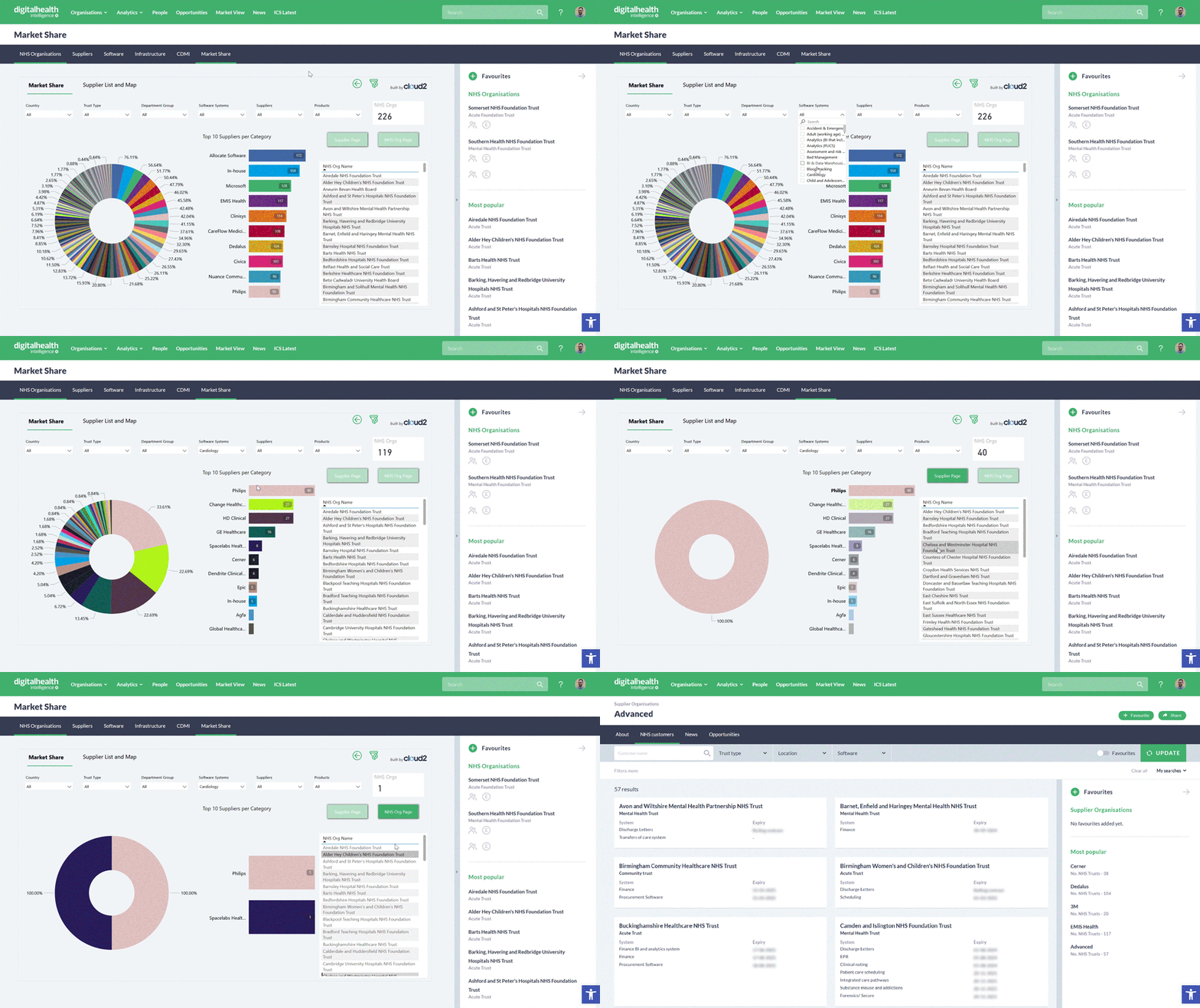
Identify demand for your solution and qualify the NHS trusts based on purchase intent with census-level insight on organisational digital maturity, spending and contract ends dates.
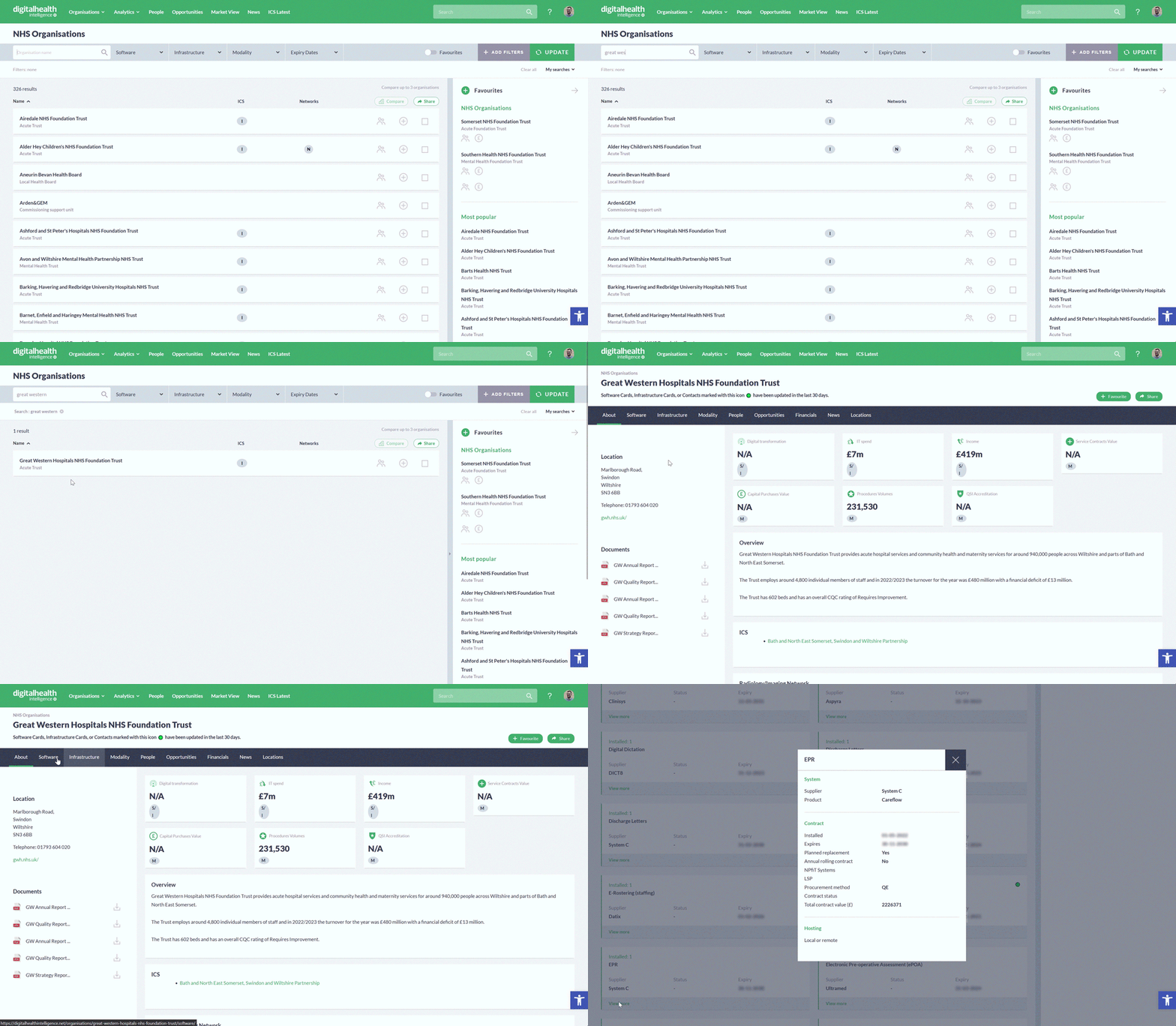
Stay informed with the latest NHS IT framework, tender and procurement opportunities, all in one place.
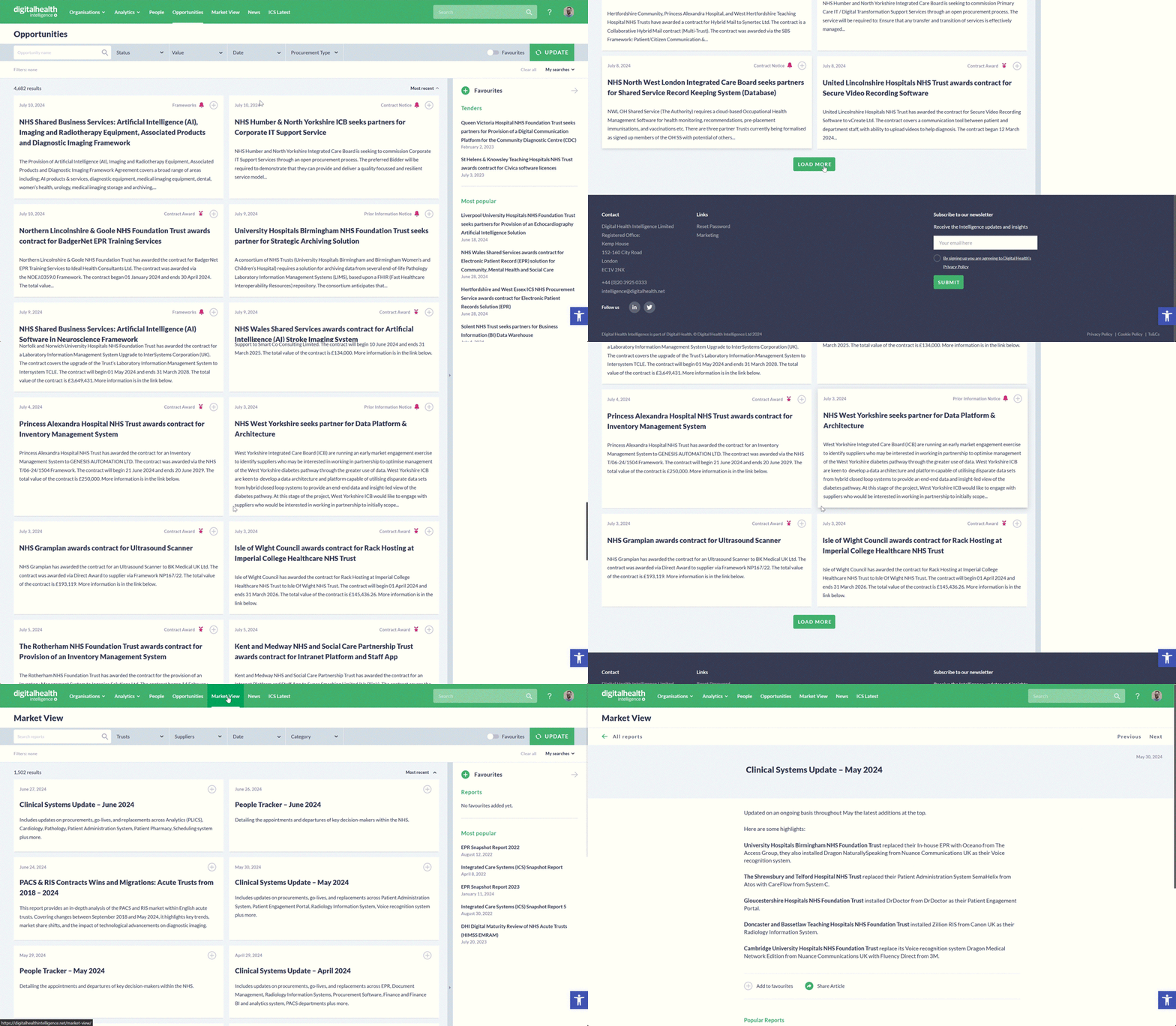
Pinpoint and reach the right digital leaders and professionals through our comprehensive verified NHS IT database of 8,000+ contacts.
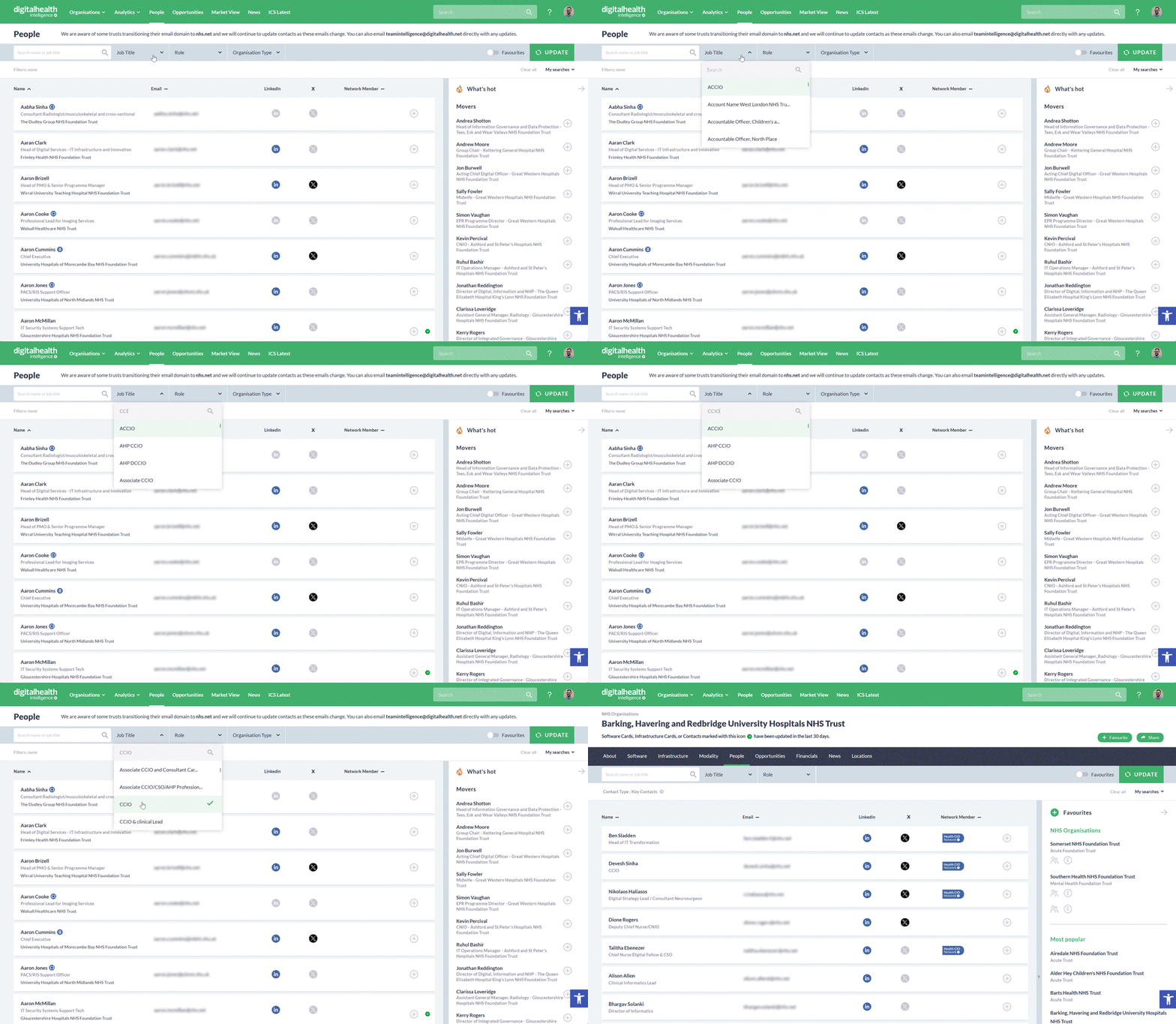
The definitive NHS IT database
We are a trusted authority on digital health – and the only provider of up-to-date granular information gathered at source.
Save time and budget with access to thousands of data points aggregated in one place.
Software Intelligence
Target the NHS software market with precision.
Track EPR rollouts, digital transformation initiatives, and software contract renewals across all 215 NHS trusts and 42 ICSs, NHS organisations across Wales, Northern Ireland and Scotland. And newly added private hospitals. Access detailed profiles on digital installed base, future planned investments, and purchasing authority to prioritise your highest-value prospects.
Infrastructure Intelligence
Capitalise on NHS infrastructure upgrades and modernisation.
Monitor cloud migrations, hardware refreshes, network improvements, and WiFi deployments with contract visibility including contract value where available. Identify opportunities in key digital infrastructure projects with key player information and contract end dates at your fingertips.
Complete UK Health Coverage
Organisations covered:
- NHS acute trusts
- Integrated care systems and Integrated Care Boards (ICS/ICB)
- NHS community services
- NHS mental health trusts
- NHS Ambulance trusts
- Government agencies (including NHS England)
- Scotland, Wales, Northern Ireland
One platform for multiple teams

Leadership & Strategy Teams

Complete market segmentation by product, supplier, and trust type
Competitive landscape analysis and market share visibility
Strategic insights to inform product development and key account planning
Track digital transformation initiatives across all NHS organizations

Sales Teams

Build your NHS IT pipeline in hours, not weeks
Prioritize prospects by contract end date, digital maturity, and budget authority
Access detailed NHS trust profiles before your first call
Find verified contact details for decision-makers - no more time-consuming searches
Target accounts with proven purchase intent

Marketing Teams

Segment audiences by digital maturity, spending, and technology adoption
Monitor competitor activity and market positioning
Build targeted campaigns with verified NHS IT decision-maker
Inform messaging and positioning with real market data
Identify high-value customer segments for focused outreach

Bid Teams

Track frameworks, tenders, prior information notices, and contract awards as published
Search, filter, and save opportunities that match your capabilities
Access organizational insights that strengthen your proposals
Reduce bid research time
Improve win rates with comprehensive trust intelligence
Bespoke Research
Custom Market Intelligence for Strategic Decisions
Get answers to your specific market questions. Our Bespoke Research service delivers tailored analysis and insights to support critical business decisions—from market entry to competitive positioning.
Built on the UK’s most comprehensive NHS and private hospital IT market data, combined with Bevan.ai’s analytical capabilities, we provide the strategic intelligence you need to move confidently.
Three Core Research Packages
Market Entry Analysis
- Market sizing and opportunity assessment
- Detailed competitor landscape analysis
- Routes to market evaluation and partner identification
- Procurement activity tracking and forecasting
- UK policy alignment and strategic fit analysis
Competitor Intelligence
- Strengths and weaknesses assessment across target segments
- Market share analysis and trends
- Contract award patterns and win/loss analysis
- Competitive positioning and differentiation opportunities
Market Segment Analysis
- Supplier landscape and market dynamics
- Procurement trends and contract award activity
- Early procurement signals by NHS trust
- Technology adoption patterns and future opportunities
Expert-Led Research

Led by Tola Sargeant,

Jon Hoeksma
Flexible Access
 AI-Powered NHS Strategy Analysis

Analyze 5,000+ NHS board papers instantly. Bevan.ai is the only LLM AI model trained specifically to provide insight and analysis on NHS use of digital and data.
Ask questions in plain English and extract strategic insights in seconds-not hours of manual reading:
- Understand current and planned digital initiatives across all English NHS trusts
- 100% coverage of 215 NHS trusts and 42 ICSs
- Query NHS strategies, digital roadmaps, and technology priorities
- Trained and validated by FHI team
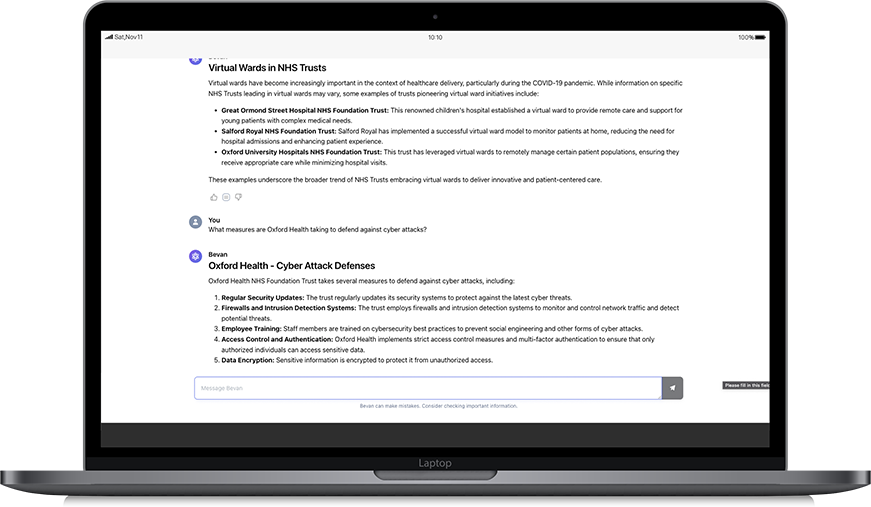
Click to watch a short how-to video
Latest resources
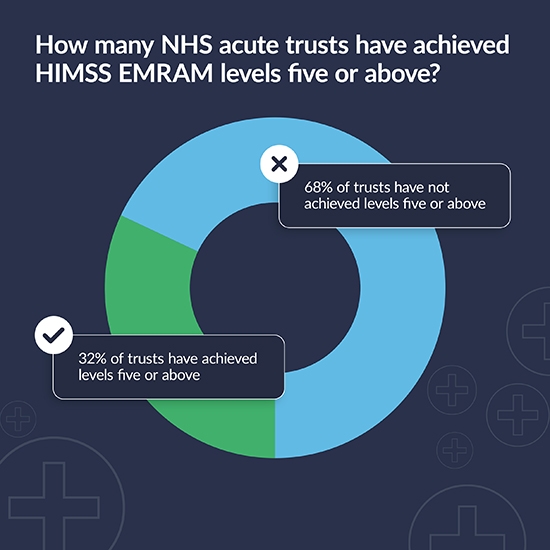
“[Intelligence provides] an in-depth understanding of individual NHS organisations’ current and future digital requirements.”

Subscribed to by major NHS clinical system and infrastructure suppliers

Stay Ahead of the Market
Sign up for the Intelligence Newsletter to receive the latest NHS IT market insights, trends, and opportunities directly to your inbox.